
Pests Found in Oman
Common Pests in Oman.
All 15 of Them.
A guide to the pests we treat most often in Muscat and across Oman: where each one lives, how to spot it, why it matters, when it is active and how we deal with it.
SPECIMENS ON FILE: 15
LAST UPDATED: AUG 2026
STATUS: ALL CONTAINABLE
LAST UPDATED: AUG 2026
STATUS: ALL CONTAINABLE
15 pests

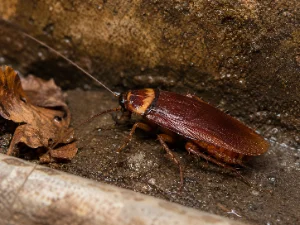
SPECIMEN N°01 · INSECTS
American Cockroach
Periplaneta americana
THREAT▮▮▮▮▯High
ACTIVITYNocturnal
ACTIVE SEASON · OMAN
JFMAMJJASOND
Where It Hides
Drains, manholes, wet service shafts and warm kitchen voids, anywhere dark with moisture and food residue.
Signs of Infestation
Droppings like coffee grounds, an oily musty odour, and brown egg cases glued behind appliances.
Why It Matters
Carries salmonella and E. coli across food surfaces. Droppings and shed skins trigger asthma and allergies.
Field Note
Can survive a month without food. Gel bait is what finally gets it.
How We Treat It
Our technician inspects drains, manholes, service shafts and kitchen voids to locate the harbourage. Gel bait containing a slow-acting active ingredient is placed directly into cracks and crevices so the cockroaches carry it back and spread it through the population. Drains and wet areas receive a targeted residual application, and a low-odour residual spray is applied along skirtings, pipe entries and travel routes.
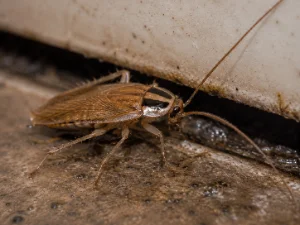
SPECIMEN N°02 · INSECTS
German Cockroach
Blattella germanica
THREAT▮▮▮▮▯High
ACTIVITYNocturnal
ACTIVE SEASON · OMAN
JFMAMJJASOND
Where It Hides
Warm appliance motors, cupboard hinges, coffee machines, it lives within a metre of food and warmth.
Signs of Infestation
Tiny brown nymphs when a light flicks on, pepper-like droppings in hinges and corners.
Why It Matters
The fastest-breeding kitchen pest. Heavy infestations contaminate food prep areas within weeks.
Field Note
One female can found a line of 30,000 in a year, early treatment is everything.
How We Treat It
German cockroaches live within a metre of food and warmth, so treatment focuses on appliance motors, cupboard hinges and equipment joints. We apply precision gel bait in small placements inside these harbourages and combine it with an insect growth regulator that stops nymphs from maturing into breeding adults. A crack and crevice residual treatment is applied to voids that bait cannot reach.
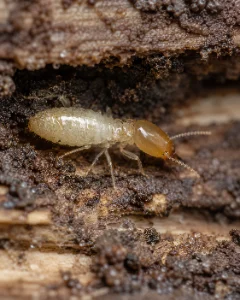
SPECIMEN N°03 · INSECTS
Subterranean Termite
Coptotermes gestroi
THREAT▮▮▮▮▮Severe
ACTIVITYHidden, 24/7
ACTIVE SEASON · OMAN
JFMAMJJASOND
Where It Hides
Soil colonies beneath slabs, moving up through foundations into frames, doors and roof timber.
Signs of Infestation
Mud tubes on walls, wood that sounds hollow, discarded wings after evening swarms.
Why It Matters
The most expensive pest in Oman, silent structural damage that insurance rarely covers.
Field Note
A colony never sleeps. Damage accrues 24 hours a day, invisibly.
How We Treat It
We inspect the structure for mud tubes, hollow timber and entry points to confirm the species and map the colony's activity. A liquid termiticide is applied to the soil around the foundation to form a continuous treated zone. Where there is a slab or paving, we drill at set intervals and inject termiticide beneath the surface, and affected timber is treated directly.
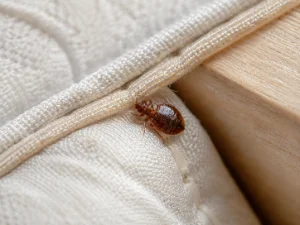
SPECIMEN N°04 · INSECTS
Bed Bug
Cimex lectularius
THREAT▮▮▮▯▯Moderate
ACTIVITYNocturnal
ACTIVE SEASON · OMAN
JFMAMJJASOND
Where It Hides
Mattress seams, headboard joints, skirting cracks, within reach of a sleeping host.
Signs of Infestation
Bites in a line, dark spots along seams, tiny blood specks on sheets.
Why It Matters
Bites, lost sleep and rapid spread between rooms, resistant to most DIY sprays.
Field Note
Can wait a full year between meals, which is why the second visit matters.
How We Treat It
Each affected room is inspected seam by seam, including mattresses, bed frames, headboards, skirtings and furniture joints. We apply a residual insecticide to harbourage points and a contact treatment to active areas, with close attention to cracks and fixings where eggs are laid. Mattress seams and fabric areas are treated with products approved for that surface.
SPECIMEN N°05 · INSECTS
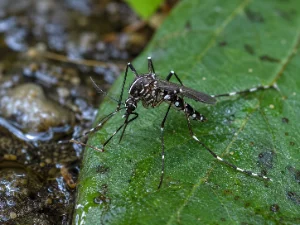
Dengue Mosquito
Aedes aegypti
THREAT▮▮▮▮▯High
ACTIVITYDawn & dusk
ACTIVE SEASON · OMAN
JFMAMJJASOND
Where It Hides
Standing water: AC drip trays, plant saucers, blocked gutters, water tanks.
Signs of Infestation
Daytime bites around ankles, wriggling larvae in any still water.
Why It Matters
Primary dengue fever vector in the region, a public health pest, not just a nuisance.
Field Note
Breeds in a bottle-cap of water, so we check every drain, tray and pot.
How We Treat It
We survey the site for breeding water in AC drip trays, plant saucers, gutters, tanks and drains. Breeding sites that can be removed are emptied on the spot, and water that cannot be drained is treated with larvicide to kill larvae before they emerge. Where adult mosquitoes are active, a targeted space spray or fogging treatment is applied to resting areas such as shaded vegetation and wall surfaces.
SPECIMEN N°06 · INSECTS
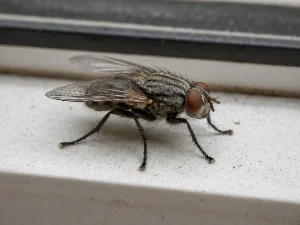
House Fly
Musca domestica
THREAT▮▮▯▯▯Minor
ACTIVITYDiurnal
ACTIVE SEASON · OMAN
JFMAMJJASOND
Where It Hides
Waste areas, drains and kitchens, anywhere organic matter sits exposed.
Signs of Infestation
Constant activity around bins and prep areas, dark regurgitation spots on surfaces.
Why It Matters
Transfers dysentery and food-poisoning organisms from waste to food in seconds.
Field Note
It tastes with its feet, every landing is a contamination event.
How We Treat It
We inspect waste areas, drains and food handling zones to find where flies are breeding. Fly bait is applied to landing surfaces around bins and service areas, and a residual treatment is applied to resting sites such as walls and ceilings near waste points. In kitchens and food areas, UV light traps can be installed to capture adult flies without spraying near food.
SPECIMEN N°07 · INSECTS
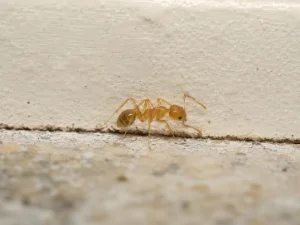
Pharaoh Ant
Monomorium pharaonis
THREAT▮▮▯▯▯Minor
ACTIVITYDay & night
ACTIVE SEASON · OMAN
JFMAMJJASOND
Where It Hides
Wall voids, socket boxes and warm cavities, colonies with many queens.
Signs of Infestation
Fine trails to sweet or protein foods, tiny yellow workers along skirtings.
Why It Matters
Contaminates food and sterile areas. Repellent sprays make colonies split and multiply.
Field Note
Spray it and it splits into new colonies. This one is strictly professional work.
How We Treat It
Pharaoh ants split into new colonies when sprayed, so we never use repellent products on them. Our technician follows the foraging trails to identify nest areas in wall voids and fittings. Non-repellent gel bait is placed along the trails and near entry points, so workers carry it back and feed it to the queens and brood.
SPECIMEN N°08 · INSECTS
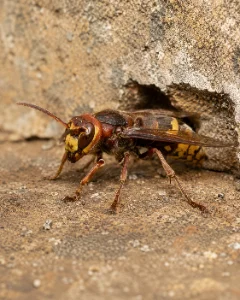
Oriental Hornet
Vespa orientalis
THREAT▮▮▮▯▯Moderate
ACTIVITYDiurnal
ACTIVE SEASON · OMAN
JFMAMJJASOND
Where It Hides
Eaves, wall cavities and date palms, papery nests that grow through summer.
Signs of Infestation
Loud traffic at a single entry point, chewed-paper nest material.
Why It Matters
Painful stings. Dangerous swarm defense near nests and severe allergic reactions.
Field Note
Partially solar-powered, literally. Most active in the midday sun.
How We Treat It
Treatment is carried out at dusk, when the colony has returned and activity is lower. Our technician, in protective equipment, applies an insecticidal dust or foam directly into the nest entrance to reach the whole colony. Once the nest is inactive, it is removed and the entry point is treated.
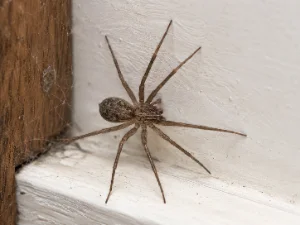
SPECIMEN N°09 · ARACHNIDS
House Spider
Araneae spp.
THREAT▮▮▯▯▯Minor
ACTIVITYNocturnal
ACTIVE SEASON · OMAN
JFMAMJJASOND
Where It Hides
Ceiling corners, stores, garages and gardens, wherever prey insects fly.
Signs of Infestation
Webs rebuilt overnight, papery egg sacs in sheltered corners.
Why It Matters
Mostly harmless but distressing. A thriving spider population means other pests thrive too.
Field Note
Spiders follow food. Where they flourish, an insect problem already exists.
How We Treat It
We remove webs and egg sacs from ceilings, corners, stores and garages. A residual insecticide is applied to the sheltered areas where spiders rest and build webs, including eaves, window frames and storage areas. Because spiders follow their food, we also treat the insects that attract them.
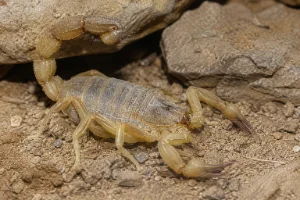
SPECIMEN N°10 · ARACHNIDS
Fat-tailed Scorpion
Androctonus crassicauda
THREAT▮▮▮▮▮Severe
ACTIVITYNocturnal
ACTIVE SEASON · OMAN
JFMAMJJASOND
Where It Hides
Block walls, rubble, expansion joints and garden stores, cool, tight, dark gaps.
Signs of Infestation
Night sightings near walls. Fluoresces under UV light on our night surveys.
Why It Matters
One of the region’s most venomous scorpions, a genuine medical emergency for children.
Field Note
Glows under ultraviolet light, which is how we find them at night.
How We Treat It
We carry out the survey at night using UV torches, which make scorpions fluoresce so they can be located and removed. Harbourage sites such as rubble, block piles and stored materials are identified, and a residual perimeter treatment is applied around the building's foundation, walls, expansion joints and entry points.
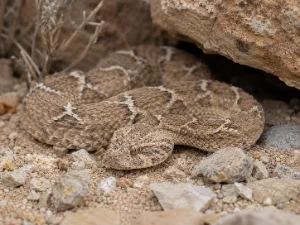
SPECIMEN N°11 · REPTILES
Saw-scaled Viper
Echis omanensis
THREAT▮▮▮▮▮Severe
ACTIVITYNocturnal
ACTIVE SEASON · OMAN
JFMAMJJASOND
Where It Hides
Wadis, rockeries, woodpiles and irrigated gardens at the property edge.
Signs of Infestation
Sidewinding tracks in dust, sloughed skins, a dry rasping warning sound.
Why It Matters
Medically significant bite. Oman’s most important venomous snake around homes.
Field Note
Rasps its scales together as a warning. Hear it? Step away and call us.
How We Treat It
Our team inspects the property for what is attracting the snake, usually rodents, water or shelter in rockeries, woodpiles and garden edges. Any snake present is located and removed by trained staff using safe handling equipment. Gaps at doors, drains and boundary walls are identified for sealing, and the rodent population that draws snakes in is treated.
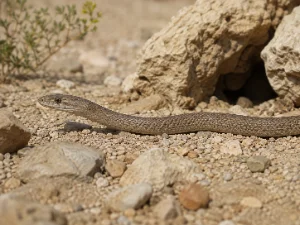
SPECIMEN N°12 · REPTILES
Wadi Racer
Platyceps rhodorachis
THREAT▮▮▯▯▯Minor
ACTIVITYDiurnal
ACTIVE SEASON · OMAN
JFMAMJJASOND
Where It Hides
Garden walls, water features and shaded courtyards, hunting geckos and rodents.
Signs of Infestation
Fast-moving sightings at dawn, usually near water.
Why It Matters
Harmless to people but causes panic. Its presence signals prey pests on site.
Field Note
Fast, curious and harmless to people, but a sign there is prey on site.
How We Treat It
The Wadi Racer is harmless to people, so it is captured humanely using handling equipment and released away from the property. We then treat the geckos and rodents it was hunting and identify the gaps it used to enter.
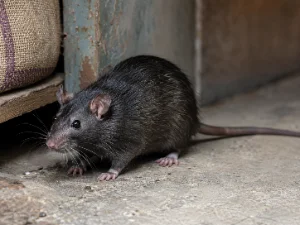
SPECIMEN N°13 · RODENTS
Black Rat
Rattus rattus
THREAT▮▮▮▮▯High
ACTIVITYNocturnal
ACTIVE SEASON · OMAN
JFMAMJJASOND
Where It Hides
Ceiling voids, date palms, store rooms, an agile climber that nests high.
Signs of Infestation
Night noises overhead, spindle-shaped droppings, greasy rub marks on runways.
Why It Matters
Gnawed cables start fires. Contaminates stored food. Carries leptospirosis.
Field Note
Squeezes through a 20 mm gap, the width of your thumb.
How We Treat It
We inspect roof voids, store rooms and palm trees for runways, droppings and nesting sites. Tamper-resistant bait stations loaded with rodenticide are secured along active runways, out of reach of children and pets. Entry points in roofs, pipe gaps and walls are identified and sealed with rodent-proof materials.
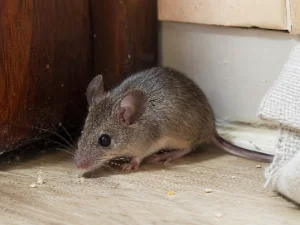
SPECIMEN N°14 · RODENTS
House Mouse
Mus musculus
THREAT▮▮▮▯▯Moderate
ACTIVITYNocturnal
ACTIVE SEASON · OMAN
JFMAMJJASOND
Where It Hides
Kitchen kickboards, wall voids and cluttered stores, territory of just a few metres.
Signs of Infestation
Pepper-grain droppings in drawers, shredded paper nests, a musky odour.
Why It Matters
Constant dribbling urine contaminates every surface it crosses.
Field Note
Investigates anything new within minutes, which makes it easy to trap.
How We Treat It
Mice have a small territory, so we place snap traps and glue boards along walls, behind appliances and inside the voids where activity is found. Where needed, secured bait stations are used in hidden areas. Gaps under doors, around pipework and behind kitchen units are sealed to block entry.
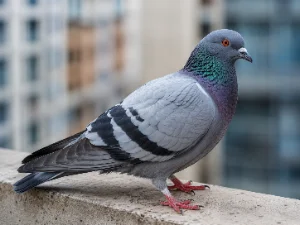
SPECIMEN N°15 · BIRDS
Feral Pigeon
Columba livia
THREAT▮▮▯▯▯Minor
ACTIVITYDiurnal
ACTIVE SEASON · OMAN
JFMAMJJASOND
Where It Hides
Ledges, AC units, signage and plant rooms, anywhere with a view and shelter.
Signs of Infestation
Accumulating droppings, nest debris blocking drainage, mites entering through vents.
Why It Matters
Acidic droppings corrode stone and steel. Nests carry mites and histoplasmosis spores.
Field Note
Returns to the same ledge for life unless the ledge is netted or spiked.
How We Treat It
We remove existing nests and droppings, then clean and disinfect the affected surfaces. Depending on the structure, we install bird netting, stainless steel spikes or other deterrent systems on ledges, AC units, signage and roof edges so pigeons can no longer land or roost there.
Spotted something not on file?
Book an inspection. Our technician will identify it and tell you what needs doing.